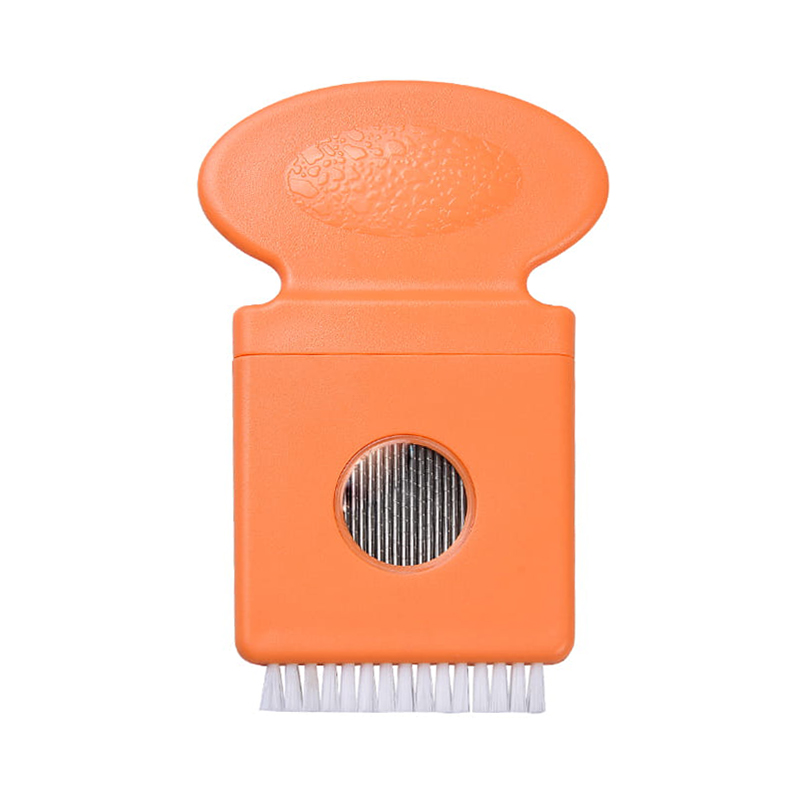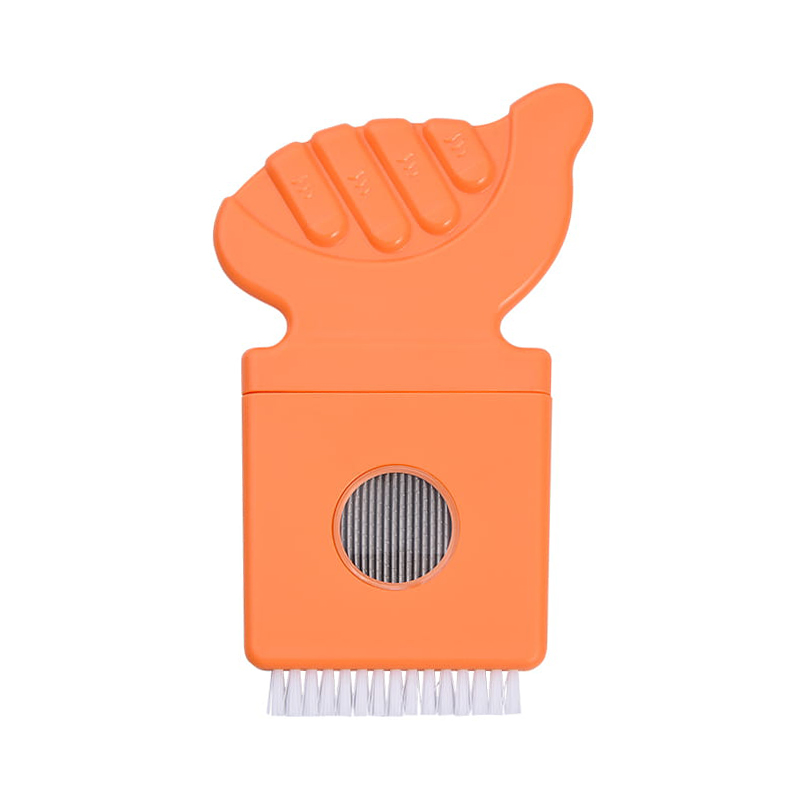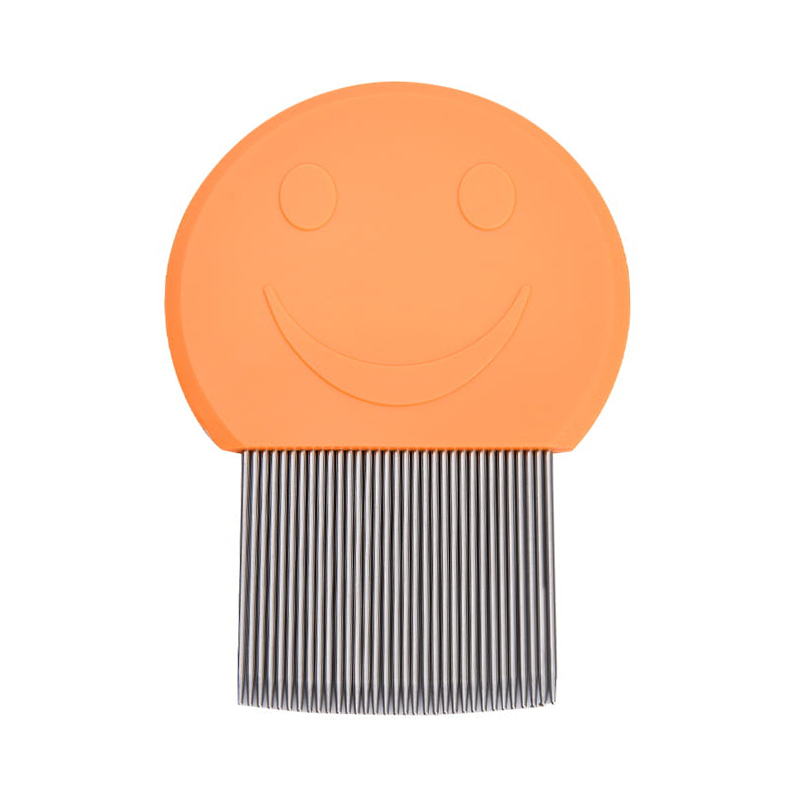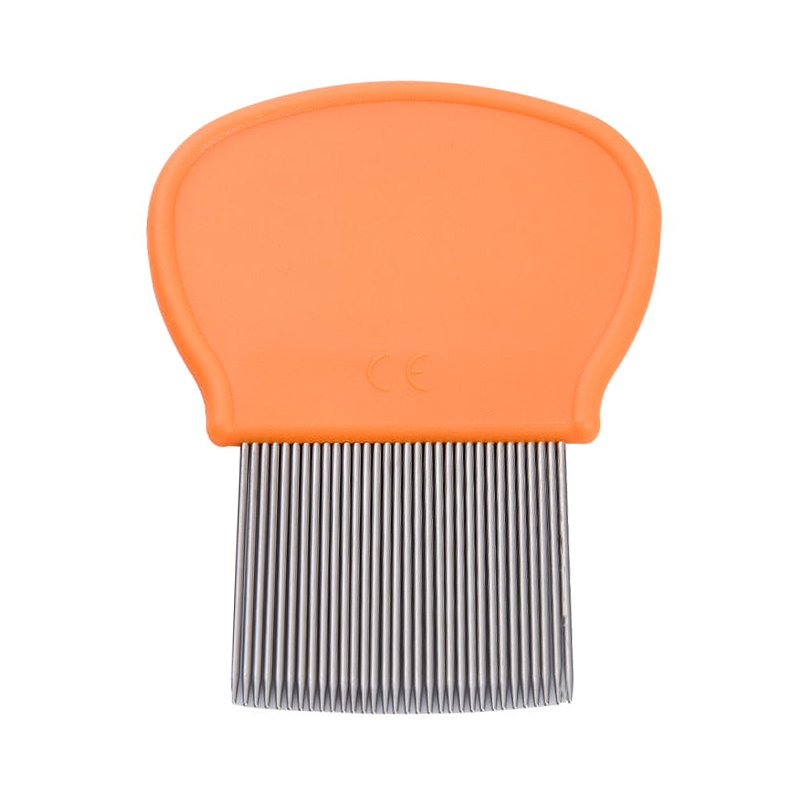


Mechanická nevyhnutnosť presných nástrojov na extrakciu pedikulózy
Vysokovýkonný hrebeň na vši na vlasy je precízne skonštruovaný medicínsky nástroj určený na mechanické rozrušenie, zachytenie a extrakciu aktívnych parazitov Pediculus humanus capitis a ich pevne zabetónovaných vajíčok (hnid) z ľudských vlasov. Na rozdiel od štandardných kozmetických hrebeňov na starostlivosť, ktoré sa vyznačujú širokými hrotmi, ktoré umožňujú mikroskopickým parazitom prechádzať úplne bez prekážok, tieto špecializované zariadenia využívajú technológiu rozmiestňovania mikro-medzer, ktorá pôsobí ako fyzikálny absolútny filter. Využitím tesných štrukturálnych vôlí popri špecifických kovových alebo polymérových mikrodrážkach tieto nástroje izolujú a odstraňujú zamorenie bez toho, aby sa spoliehali na neurotoxické chemické pedikulicídy, ktoré čelia rastúcej globálnej rezistencii zmutovaných populácií parazitov.
Údaje o verejnom zdraví ukazujú, že pedikulóza zostáva pretrvávajúcou výzvou vo vzdelávacom a komunitnom prostredí na celom svete. Počas posledných desaťročí prílišné spoliehanie sa na chemické liečby - ako je permetrín, pyretrín a malatión - poháňalo evolučný selekčný tlak, čo viedlo k nárastu odolných populácií hovorovo nazývaných "super vši". V mnohých mestských centrách genetická analýza odhaľuje, že je koniec 95 % zozbieraných vzoriek parazitov vykazuje génové mutácie kdr (knockdown resistance). , čím sú štandardné chemické šampóny do značnej miery neúčinné. V dôsledku toho je mechanická extrakcia vysoko presná vlasové hrebene na vši sa posunul z voliteľného sekundárneho kroku k základnej základnej požiadavke na úspešné eradikačné protokoly.
Mechanické požiadavky na tieto extrakčné nástroje ďaleko presahujú základný vizuálny dizajn. Hroty si musia zachovať absolútnu rozmerovú stabilitu pri štrukturálnych ohybových silách, poskytovať rovnomerné mikro-medzery po celej svojej dĺžke a mať hladké zaoblené hroty na ochranu jemnej ľudskej pokožky hlavy pred bolestivými mikroodreninami. Dosiahnutie tejto rovnováhy si vyžaduje starostlivú optimalizáciu metalurgie, tolerancie mikroobrábania a štrukturálnej ergonómie, čím sa inžinierstvo za týmito hrebeňmi stáva dôležitou súčasťou neinvazívnej preventívnej zdravotnej starostlivosti.
Primárne klasifikácie a konštrukčné návrhy vlasových hrebeňov proti vši
Hrebene na vši sa klasifikujú podľa ich materiálového zloženia, výrobných metód a geometrie povrchu s hrotmi. Každá kategória je navrhnutá tak, aby sa zamerala na špecifické priemery vlasov, závažnosť zamorenia a prevádzkové preferencie.
Temperované nerezové drážkované hrebene
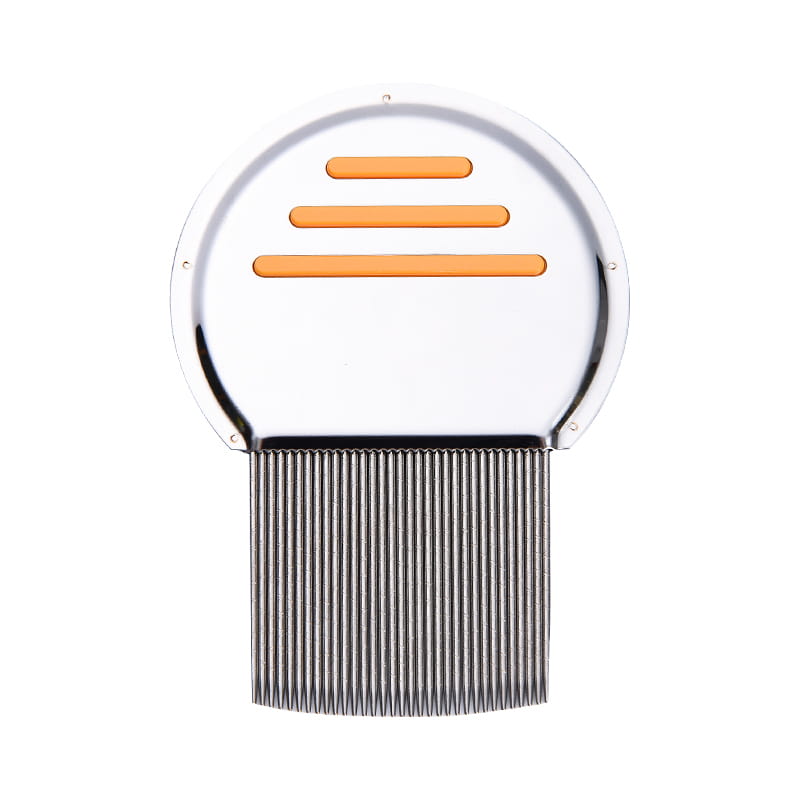
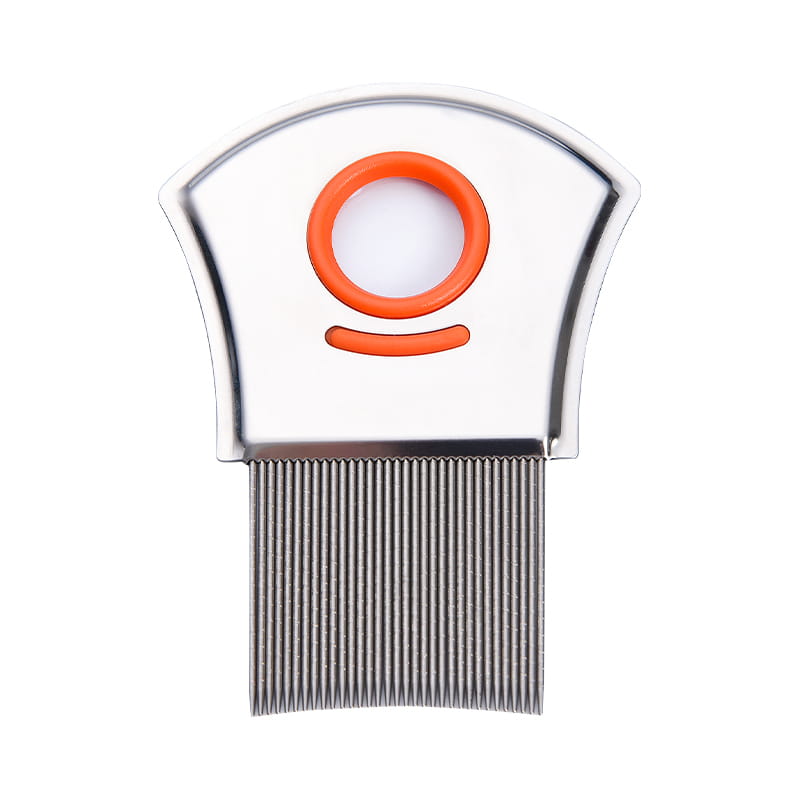
Tvrdené hrebene z nehrdzavejúcej ocele predstavujú prémiový štandard pre mechanické odstraňovanie parazitov. Tieto nástroje využívajú vysokokvalitné zliatiny odolné voči korózii (ako je nehrdzavejúca oceľ 304 alebo 316), ktoré vydržia opakovanú sterilizáciu v autokláve, chemickú dezinfekciu alebo ponorenie do vriacej vody bez štrukturálnej degradácie. Kovové hroty sú zvárané laserom alebo vstrekované hlboko do pevnej základne rukoväte, čo zabraňuje rozširovaniu alebo rozťahovaniu jednotlivých zubov pri spracovaní hustých, zamotaných vlasových matríc.
Charakteristickým znakom pokročilých kovových hrebeňov je zahrnutie mikrošpirálového drážkovania alebo zúbkovania s diamantovým vzorom opracovaných priamo na valcovom povrchu každého hrotu. Tieto mikroskopické hrebene fungujú ako lokalizované rezné hrany, ktoré uchopia a odtrhnú pevné, vo vode nerozpustné chitínové lepidlo vylučované samičkami vší, aby ukotvili ich vajíčka vo vlasoch. Táto povrchová štruktúra zvyšuje mechanický odpor hrebeňa proti vajíčku, čím uľahčuje jeho odstránenie počas pohybu smerom nadol.
Presné polymérové hrebene s hladkými zubami
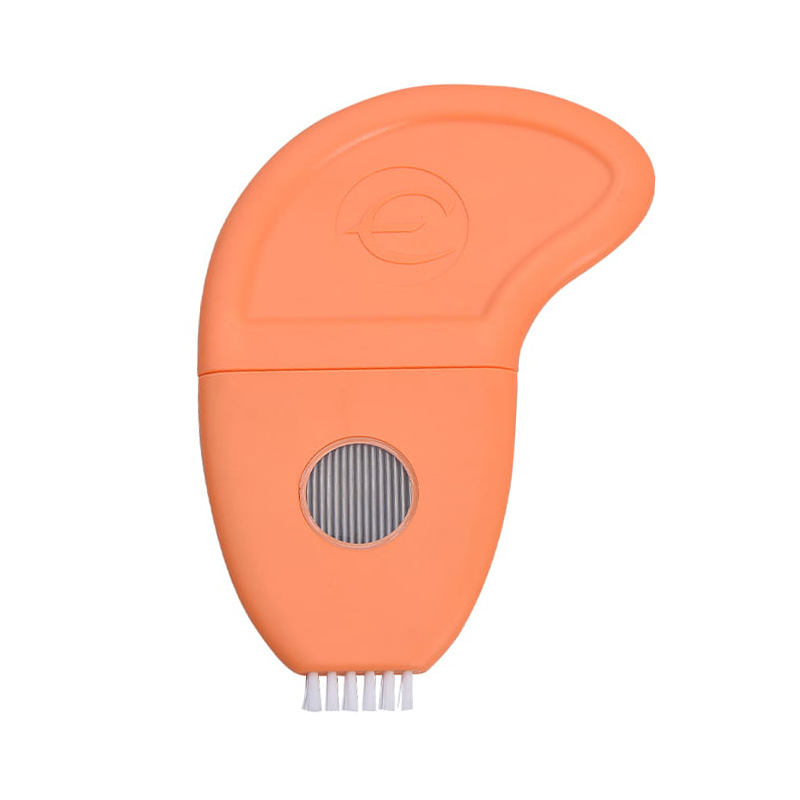
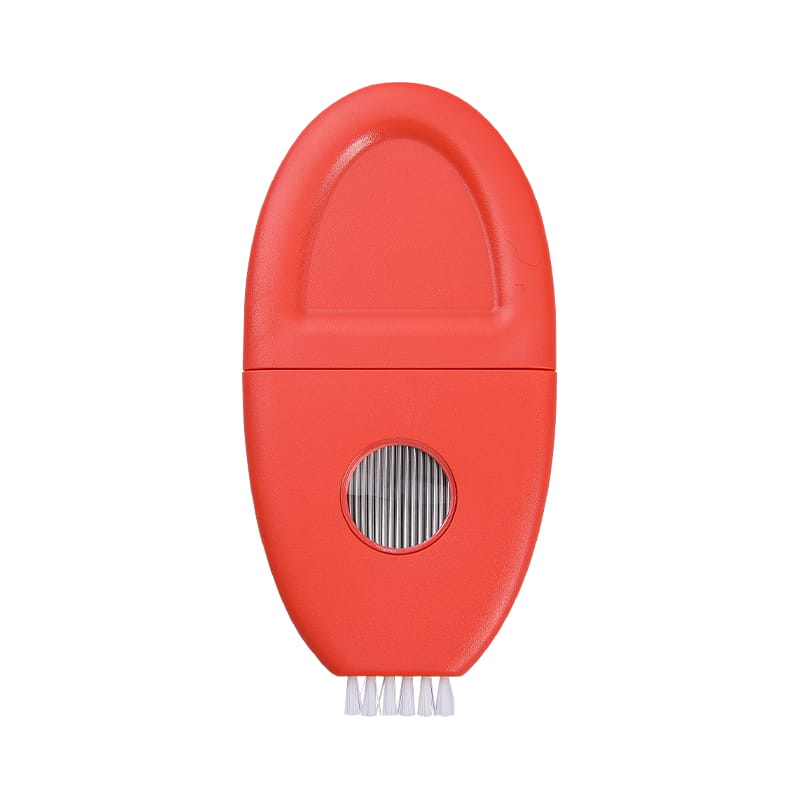
Presné polymérové hrebene sa vyrábajú pomocou vysokotlakového vstrekovania odolných plastov, ako je polyoxymetylén (POM), nylon alebo odolný ABS. Tieto materiály sú zvolené pre ich rovnováhu medzi tuhosťou a elasticitou, čo umožňuje zubom mierne sa ohýbať okolo silných vlasových uzlov bez toho, aby sa natrvalo zlomili alebo deformovali. Plastové varianty sú ľahké a nákladovo efektívne, vďaka čomu sú obľúbené pre veľkoobjemové skríningy verejného zdravia a jednorazové súpravy na ústavnú liečbu.
Pretože vstrekované polyméry nemajú povrchovú tvrdosť potrebnú pre opracované mikrodrážky, plastové hrebene sa spoliehajú na špecifické tvary prierezu – ako sú ploché alebo diamantové hroty – na optimalizáciu výkonu. Ostré uhly týchto profilov slúžia ako štrukturálne stieracie hrany, ktoré odlupujú obaly hnid z vlasových driekov, aj keď vyžadujú prísnejšiu kontrolu kvality, aby sa eliminovali plesňové výrony alebo hrubé plastové švy, ktoré môžu trhať vlasové vlákna.
Elektronické detekčné a vybíjacie hrebene
Elektronické hrebene na vši zavádzajú funkčný obvod do usporiadania mechanického hrebeňa. Tieto zariadenia, napájané štandardnými nízkonapäťovými batériami, aplikujú mierny, nepostrehnuteľný elektrický náboj cez priľahlé kovové hroty. Vzduchová medzera medzi zubami pôsobí ako izolátor otvoreného okruhu; keď však dospelý parazit vstúpi do medzery, jeho telo bohaté na vlhkosť premostí priestor a uzavrie okruh.
Dokončený obvod dodáva lokalizovaný elektrický výboj, ktorý okamžite neutralizuje alebo zničí dospelý hmyz, zatiaľ čo akustický bzučiak upozorní operátora na kontakt. Aj keď sú elektronické možnosti vysoko účinné pri identifikácii a odstraňovaní aktívnych, pohyblivých nýmf a dospelých vší, nedokážu liečiť alebo odstraňovať nevyliahnuté hnidy kvôli ochranným, nevodivým vlastnostiam vaječných škrupín, čo znamená, že sa musia používať spolu so štandardnými mechanickými extrakčnými nástrojmi.
Fyzika rozstupov medzi hrotmi a rozmerov nití
Účinnosť hrebeňa na vši je definovaná fyzickými vôľami medzi zubami, ktoré musia zodpovedať mikroskopickým rozmerom cielených parazitov. Dospelá voš meria na dĺžku medzi 2,0 mm a 3,0 mm, zatiaľ čo novo vyliahnutá nymfa môže mať len 1,0 mm. Primárna inžinierska výzva spočíva v zachytení nevyliahnutých hníd, ktoré sú v priemere 0,8 mm na dĺžku a 0,3 mm až 0,5 mm v priemere , bezpečne ukotvené k ľudskému vlasu s hrúbkou od 0,04 mm do 0,12 mm.
Aby sa dosiahlo úplné mechanické odstránenie hníd, musí byť medzera medzi susednými hrebeňovými hrotmi presne kontrolovaná v rozmedzí od 0,1 mm do 0,2 mm. Ak medzera presiahne 0,2 mm, menšie hnidy a nymfy prejdú hrebeňom nepozorovane, čo vedie k opätovnému zamoreniu v priebehu niekoľkých dní, ako životný cyklus pokračuje. Naopak, ak medzera klesne pod 0,1 mm, hrebeň prestrihne alebo vytrhne zdravé vlasové vlákna, čo spôsobí bolestivú trakčnú alopéciu a štrukturálne poškodenie pokožky hlavy.
Udržanie tejto mikroštrbiny si vyžaduje absolútnu štrukturálnu tuhosť pri bočných deformačných silách. Keď hrebeň prechádza cez hustú masu zamotaných vlasov, na hroty pôsobia sily, ktoré sa šíria smerom von ($F_s$). Ak sa materiál čo i len mierne ohne, medzery sa môžu dočasne zväčšiť za hranicu zlyhania 0,2 mm. Tvrdená nehrdzavejúca oceľ poskytuje potrebný modul pružnosti, aby odolal tomuto bočnému posunu, pričom zaisťuje, že vzdialenosť zostáva konzistentná od koreňovej základne po vrcholy vrcholov počas každého zdvihu.
Biologická interakcia: Chitín Ootheca a pripojenie vlasového hriadeľa
Pochopenie, prečo mechanické odstránenie vyžaduje špecifickú fyzickú silu, si vyžaduje pozrieť sa na biologické zloženie prichytenia hnidy. Keď samica voš dosiahne pohlavnú zrelosť, vloží vajíčko na spodok vlasovej stonky a okamžite ho zakryje rýchlo tuhnúcim tekutým cementom vylučovaným z jej pomocných žliaz. Tento cement zasychá do odolného ootékového návleku, ktorý obopína vlasové vlákno.
Vysušené lepidlo pozostáva zo zosieťovanej proteínovej matrice štruktúrne podobnej keratínu a chitínu, vďaka čomu je vysoko odolné voči štandardnému rozpúšťaniu vo vode, degradácii životného prostredia a slabým chemickým kyselinám. Adhézna sila je taká vysoká, že mechanický ťah potrebný na posunutie návleku hnidy po drieku vlasov môže presiahnuť pevnosť v šmyku slabých vlasových kutikul. Toto silné spojenie vysvetľuje, prečo tradičné kozmetické hrebene so širokými zubami pri extrakcii úplne zlyhávajú.
Hrebeň na vlasy s malými medzerami prekonáva túto adhéznu väzbu tým, že dodáva koncentrované mechanické namáhanie v šmyku pozdĺž presnej hraničnej vrstvy, kde sa cement stretáva s vlasovou kutikulou. Mikrodrážky alebo ostré rohy hrebeňových zubov poškriabajú vonkajší povrch objímky lepidla, čo spôsobí mikroskopické trhliny v zosieťovanej proteínovej matrici. Po pretrhnutí návlek stratí svoju štrukturálnu priľnavosť k vlasu, čo umožňuje bezpečné stiahnutie hnidy po dĺžke vlákna a úplné odstránenie z hostiteľa.
Porovnávací výkon: Technické hodnotenie hrebeňových profilov
Výber alebo výroba vysokokvalitného hrebeňa na vlasy proti všiam vyžaduje posúdenie štrukturálneho výkonu v porovnaní s bezpečnosťou pokožky hlavy a jednoduchosťou použitia. Nižšie uvedená tabuľka podrobne uvádza výkonové charakteristiky v rámci štandardných dizajnov nástrojov a materiálov.
| Dizajn hrebeňa a profil materiálu | Priemerná medzera medzi hrotmi (mm) | Násobiteľ účinnosti extrakcie hnid | Odolnosť štruktúry | Možnosť sterilizácie a dezinfekcie |
|---|---|---|---|---|
| Mikrošpirálová nehrdzavejúca oceľ | 0,09 mm - 0,15 mm | 10,0x (optimálne) | Maximum (vysoký modul) | Vynikajúce (autokláv, var, alkohol) |
| Hladký valcový kov | 0,15 mm - 0,20 mm | 6,5x (vysoká) | Vysoká | Výborne |
| Vstrekovaný polyoxymetylén | 0,18 mm - 0,25 mm | 3,5x (stredne) | Nízke (náchylné na šírenie) | Stredná (deformuje sa pri vysokej teplote) |
| Štandardná kozmetika s jemnými zubami | 0,50 mm - 0,80 mm | 1,0x (neefektívna základná línia) | Líši sa podľa polyméru | Slabá (iba chemická dezinfekcia) |
Testovacie údaje to zdôrazňujú Mikrošpirálové nerezové prevedenie poskytuje vynikajúce extrakčné výkony v porovnaní s tradičnými hladkými alebo plastovými alternatívami . Kombinácia tesných medzier s hrotmi a mikroskopických textúr povrchu maximalizuje extrakciu hnid a zároveň zaisťuje, že nástroj možno medzi jednotlivými použitiami bezpečne dezinfikovať pri vysokých teplotách, čím sa predchádza krížovej kontaminácii vo veľkých inštitucionálnych zariadeniach.
Klinické protokoly pre pracovné postupy mechanickej eradikácie
Vykonanie úspešného protokolu nechemického odstraňovania vyžaduje štruktúrovaný, viacfázový pracovný postup. Pretože ľudské vlasy sú dynamické a variabilné, používanie hrebeňa na vši bez náležitej prípravy môže porušiť vlasové vlákna a zanechať nevyliahnuté vajíčka.
Fáza 1: Zmáčanie a kondicionovanie mazania
Mechanická extrakcia by sa mala vždy vykonávať na mokrých vlasoch namazaných hustým vlasovým kondicionérom alebo špecializovaným rozčesávacím olejom. Suché česanie vytvára vysokú statickú elektrinu, ktorá môže spôsobiť, že dospelé vši skákajú alebo lezú na susedné povrchy, pričom sa zvyšujú trecie sily, ktoré môžu vytrhávať vlasy pri korienkoch. Kondicionačný krém vyplní intersticiálne priestory medzi vlasovými vláknami, premastí cestu pre mikrorozmiestnené zuby a dočasne znehybní dospelé vši tým, že zablokuje ich dýchacie spirakuly.
Fáza 2: Štrukturálne rozpletanie a delenie
Pred zavedením extrakčného hrebeňa s mikrorozstupmi sa musí celý objem vlasov úplne rozčesať pomocou štandardného hrebeňa so širokými zubami. Po vyhladení sa pokožka hlavy zmapuje štyri primárne kvadranty pomocou sponiek do vlasov. Systematická práca v malých častiach so šírkou 25 mm zaisťuje, že sa nevynechá žiadna časť pokožky hlavy a umožňuje operátorovi jasne sledovať postup extrakcie.
Fáza 3: Vykonanie extrakčného zdvihu
Proces mechanickej extrakcie sa riadi presnou technikou na maximalizáciu rýchlosti zachytávania:
- Hrebene umiestnite priamo na pokožku hlavy v bode a 45-stupňový uhol zaisťuje ľahký a nepretržitý kontakt s pokožkou, kde sa dospelé vši živia a ukladajú vajíčka.
- Pevne a hladko nakreslite nástroj od koreňovej základne až po samotné konce prameňov vlasov jediným súvislým pohybom.
- Hrebeň utrite cez biely papierový uterák alebo ho po každom ťahu opláchnite pod prúdom horúcej tečúcej vody, aby ste skontrolovali zachytené parazity a zabránili ich opätovnému vniknutiu do vlasov.
Fáza 4: Sanitácia po ošetrení a intervaly časovej osi
Po spracovaní všetkých rezov musí extrakčný hrebeň prejsť dôkladnou sanitáciou. Ponorte náradie do vody zohriatej na minimum 60°C aspoň 10 minút zabije všetok zostávajúci biologický materiál. Pretože pri jednom česaní môžu občas chýbať mikroskopické vajíčka, celý pracovný postup sa musí zakaždým opakovať 2 až 3 dni počas 14-dňového cyklu , čo zodpovedá prirodzenému časovému rozvrhu liahnutia parazita, aby sa zabezpečilo, že všetky novovzniknuté nymfy budú zachytené skôr, ako dosiahnu reprodukčnú zrelosť.
Kontrola kvality výroby a inžinierstvo geometrie hrán
Výroba profesionálnych lekárskych hrebeňov vyžaduje precíznu výrobu a automatizovanú kontrolu kvality. Pretože tieto nástroje prichádzajú do priameho kontaktu s ľudskou pokožkou pod mechanickým napätím, akákoľvek malá výrobná chyba môže používateľovi spôsobiť značné nepohodlie alebo zranenie.
Kritická kontrola kvality pri výrobe kovových hrebeňov je mikroúpravy hrotov hrotov . Keď sa hroty z nehrdzavejúcej ocele režú na dĺžku pomocou vysokorýchlostného razenia alebo procesu EDM drôtom, konce majú spočiatku ostré, zubaté hrany. Ak zostanú nedokončené, tieto kovové otrepy poškriabu pokožku hlavy, čo vedie k bolesti a potenciálnym sekundárnym bakteriálnym infekciám, ako je impetigo.
Aby sa tomu zabránilo, surové hroty prechádzajú niekoľkými fázami proces elektrochemického leštenia a mechanického omieľania ktorý zbrúsi ostré konce na hladké, pologuľovité hroty. Automatické optické skenery kontrolujú polomery hrotov pri veľkom zväčšení a overujú, že každý hrot hrotu má jednotný obrys, ktorý bezpečne kĺže po pokožke bez prepichovania alebo škrabania povrchu pokožky hlavy.
Inline laserové skenery navyše merajú medzery medzi zubami v každej výrobnej dávke. Dokonca aj malá zmena v zarovnaní laserového zvárania môže spôsobiť rozšírenie jednej medzery na 0,25 mm, čím sa táto sekcia stane neúčinnou pri zachytávaní hníd. Tieto laserové sledovacie systémy skenujú zostavy hrebeňov v reálnom čase, pričom okamžite odmietnu akékoľvek nástroje, ktoré sa odchyľujú od cieľových limitov rozstupov, čím zaisťujú, že každý hotový hrebeň vlasových vší poskytuje spoľahlivý mechanický extrakčný výkon.
Protokoly hygieny životného prostredia a bariéry krížovej kontaminácie
Integrácia presného mechanického česania do rodinných alebo celospoločenských zdravotných protokolov si vyžaduje prísne dodržiavanie smerníc pre krížovú kontamináciu. Pretože vši dokážu prežiť ďaleko od ľudského hostiteľa až 48 hodín , s nástrojmi a okolím sa musí zaobchádzať opatrne, aby sa zabránilo šíreniu zamorenia na ďalšie jedince.
Pri spravovaní viacerých osôb v jednej domácnosti alebo školskom zariadení by sa nikdy nemal priamo zdieľať jeden hrebeň bez toho, aby sa podrobil úplnému sterilizačnému cyklu. Ak nie je k dispozícii autokláv, ponorte prístroj do a 70% roztok izopropylalkoholu alebo 2% fenolický dezinfekčný kúpeľ po dobu 30 minút rozloží lipidy a proteíny všetkých zachytených parazitov, čím sa nástroj stane bezpečným pre ďalšie použitie.
Samotný priestor čistenia by mal byť organizovaný tak, aby sa minimalizovalo riziko prenosu prostredia. Obsluha by mala vykonávať odsávanie na tvrdých podlahách bez koberca a všetok okolitý nábytok by mal byť pokrytý jednorazovými plastovými fóliami. Všetky vyradené papierové utierky, sponky do vlasov a extrahovaný biologický materiál musia byť pred likvidáciou uzavreté vo vzduchotesných plastových vreciach, aby sa zabezpečilo, že izolované parazity nebudú môcť uniknúť alebo znovu zamoriť prostredie, čím sa dokončí bezpečný a účinný protokol o izolácii.